Category: Lifestyle

  • Fall’s Hidden Danger: When Winter Weather Catches Hunters and Anglers Off Guard

    Fall’s Hidden Danger: When Winter Weather Catches Hunters and Anglers Off Guard

    HYH Outdoors | October 28, 2026

    By Have You Heard? | Original analysis and outdoor preparedness guide

    For millions of Americans, fall is one of the most anticipated seasons of the year. Hunters head into the woods, anglers return to their favorite waters, and outdoor enthusiasts embrace cooler temperatures and changing leaves.

    But the transition from autumn to winter can create dangerous conditions, particularly when rain turns to snow, temperatures plunge, and familiar trails become difficult to navigate.

    A series of recent emergencies in Colorado illustrates how quickly an ordinary outdoor adventure can become a rescue operation.

    Three Hunter Emergencies in Just 14 Hours

    On October 14 and 15, 2026, Routt County Search and Rescue responded to three separate hunter emergencies in northwest Colorado as early-season snow arrived during rifle elk season.

    According to reporting published by Outside on October 22, one hunter became stranded in freezing conditions near the Bears Ears area. Rescue teams used protective wrapping and a wheeled stretcher to transport the hunter approximately 1,500 feet uphill through deep snow.

    Another hunter was reported overdue near Dunckley Pass, while a third suffered serious injuries after reportedly being struck by a falling tree.

    The incidents demonstrate that severe weather is not the only outdoor threat. Reduced visibility, physical exhaustion, damaged equipment, and falling trees can compound an already dangerous situation.

    Read the original news coverage: Outside — Three Mountain Emergencies in 14 Hours.

    Why Fall Weather Can Be Especially Dangerous

    Autumn conditions are often unpredictable. A comfortable morning can be followed by cold rain, powerful winds, or accumulating snow.

    At higher elevations, temperatures may be considerably colder than forecasts for nearby towns. Wet clothing and physical exhaustion can accelerate heat loss.

    The National Weather Service recommends checking forecasts before extended outdoor trips, carrying additional warm clothing, and considering postponement when severe winter weather is expected.

    Cold-Weather Hunting: Clothing Is Only Part of the Preparation

    Hunters preparing for late-season trips should prioritize moisture management, insulation, and protection from wind and precipitation.

    • Wear moisture-wicking base layers and insulating midlayers.
    • Carry waterproof outerwear, gloves, and suitable boots.
    • Pack additional dry clothing in a waterproof bag.
    • Carry offline navigation tools and backup power.
    • Tell a trusted contact your route and expected return time.
    • Bring emergency shelter, water, food, and a reliable way to call for help.

    Heated clothing may offer additional comfort, but battery-powered garments should never replace essential protective layers or emergency equipment.

    Outdoor gear spotlight: TIDEWE offers heated clothing and hunting apparel, including its ThermShift men’s heated vest.

    Advertisement | Have You Heard? may earn a commission from qualifying purchases at no additional cost to you.”

    Explore TIDEWE heated clothing and waders.

    Winter Fishing Requires a Different Safety Strategy

    Cold-weather anglers face many of the same exposure risks as hunters, with the additional dangers associated with water, slippery banks, and unstable ice.

    Before leaving home, anglers should review weather conditions, wear appropriate waterproof and insulating clothing, and carry emergency communication equipment.

    Anyone fishing from a boat should use an appropriately fitted life jacket. Ice anglers should consult local authorities about conditions and never assume that frozen water is safe simply because its surface appears solid.

    Insulated fishing suits may help protect against cold conditions, but they should not be treated as flotation equipment unless specifically certified for that purpose.

    Fishing gear spotlight: Piscifun offers an insulated ice-fishing jacket and bibs set designed for cold-weather fishing.

    Advertisement | Have You Heard? may earn a commission from qualifying purchases at no additional cost to you.”

    Explore the Piscifun ice-fishing suit.

    Recognizing Hypothermia Before It Becomes an Emergency

    Hypothermia occurs when the body loses heat faster than it can produce it. It can develop even when temperatures are above freezing, particularly when clothing becomes wet.

    Warning signs can include uncontrollable shivering, confusion, slurred speech, unusual fatigue, and impaired coordination.

    If hypothermia is suspected, seek emergency medical assistance, move the person into shelter when safe, replace wet clothing with dry insulation, and warm the person gradually. Severe cases require urgent medical care.

    The HYH Outdoors Takeaway

    The Colorado incidents offer a lesson extending far beyond the Rocky Mountains.

    Whether someone is hunting in Ohio, fishing on a northern lake, or exploring remote public land, seasonal preparation should begin before winter officially arrives.

    Quality equipment can support a safer outing, but the most important protections remain weather awareness, sound judgment, reliable communication, and knowing when to turn back.

    The outdoors may be unpredictable. Preparation does not have to be.

    Sources and Further Reading

    Editorial disclosure: This article is an original HYH synthesis of publicly available reporting and safety guidance, not an eyewitness investigation. Affiliate advertising is separate from editorial coverage. Purchases through qualifying sponsored links may generate commissions for Have You Heard? at no additional cost to readers.
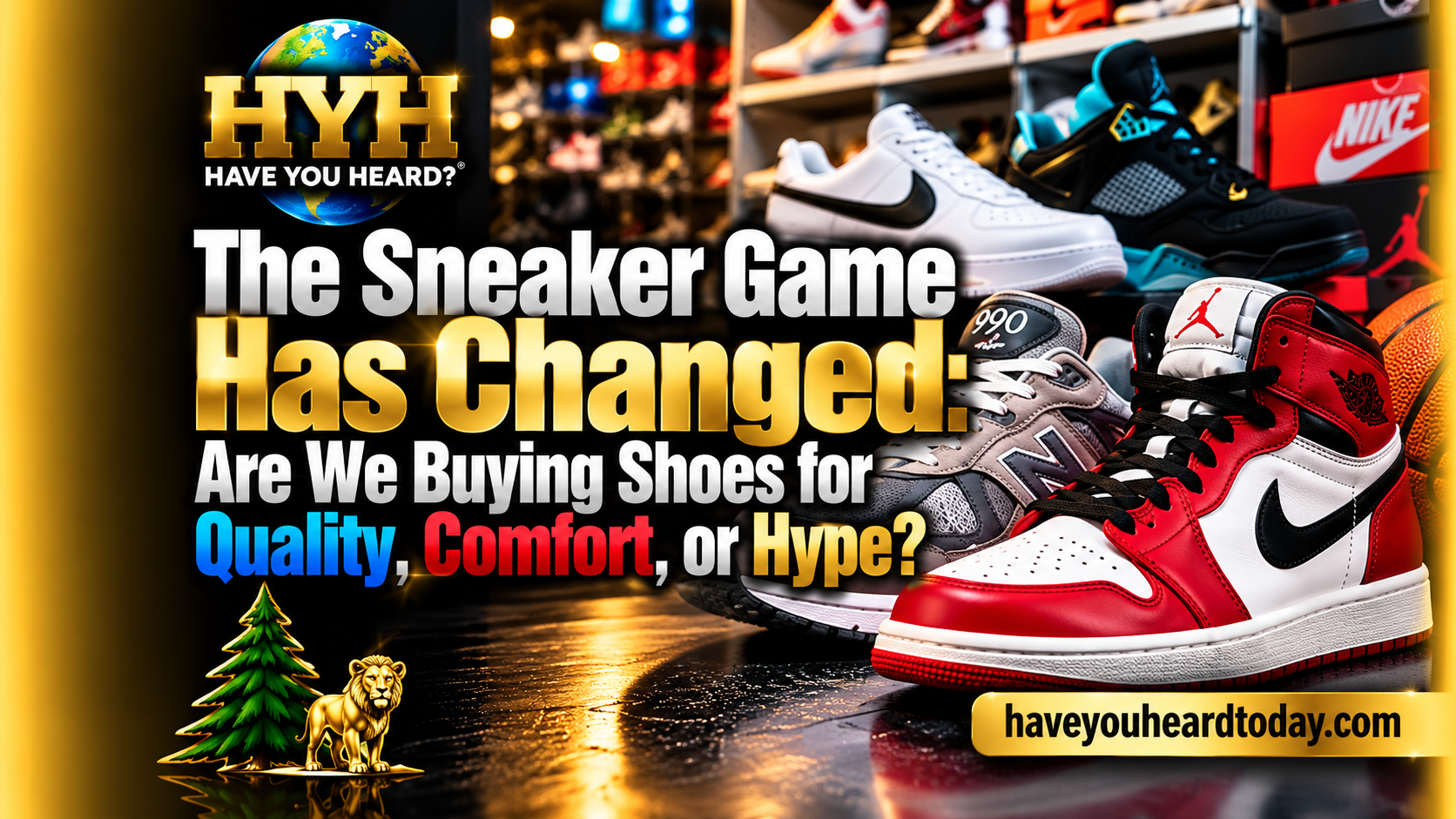
  • The Sneaker Game Has Changed: Are We Buying Shoes for Quality, Comfort, or Hype?

    The Sneaker Game Has Changed: Are We Buying Shoes for Quality, Comfort, or Hype?

    HYH ORIGINAL | October 26, 2026

    From classic Air Jordans to New Balance, Adidas, Nike and today’s resale market, the sneaker game is about more than footwear. It’s about identity, memories, comfort, craftsmanship and the price we’re willing to pay to stand out.

    There was a time when getting a fresh pair of sneakers meant something special. You might have saved up for weeks, waited for a particular colorway, or carefully kept the box because those shoes were more than something to wear.

    For many people, that feeling never went away.

    But the sneaker game has evolved. Limited releases, celebrity collaborations, online resale platforms and social media now compete for our attention. A shoe can become a conversation piece before anyone has even tried it on.

    That raises a question worth asking: Are we buying sneakers because they’re genuinely good shoes, or because everyone else wants them?

    When Sneakers Became Part of Our Identity

    Sneakers have long connected sports, music, fashion and everyday life. Basketball helped turn performance footwear into cultural icons, while hip-hop and streetwear helped establish sneakers as a form of personal expression.

    For some people, the appeal is the history behind a pair of Jordans. Others prefer the simplicity of Adidas classics, the familiar feel of a New Balance running shoe or the latest Nike innovation.

    And sometimes the most meaningful pair isn’t expensive or rare at all. It’s the one that reminds you of a particular time in your life.

    That’s one reason sneaker culture cannot be measured by resale prices alone. Personal attachment is something a price chart cannot capture.

    New Balance Is Betting on Quality and Heritage

    One of the clearest examples of the relationship between sneaker history and modern design arrived on October 22, 2026, when New Balance introduced its Made in USA 990v7.

    The 990 series dates back to 1982, when the original model entered the market as a premium running shoe. Over the decades, it developed a following among people who appreciated its understated appearance and everyday versatility.

    The upcoming 990v7 combines familiar design elements with updated cushioning and support. New Balance has announced a November 6, 2026 release at a suggested U.S. retail price of $200.

    That price puts it firmly in premium territory. But it also invites an interesting comparison: Is the buyer paying for comfort, construction, heritage, branding or some combination of all four?

    New Balance’s approach suggests that a sneaker doesn’t have to look completely different every season to remain relevant. Sometimes, improving a familiar design is the entire point.

    Related reporting: New Balance’s October 22 announcement of the 990v7.

    Why Retro Jordans Still Matter

    Meanwhile, Jordan Brand continues to revisit designs connected to earlier eras of basketball and sneaker culture.

    October’s release calendar includes the Air Jordan 14 “Forest Green,” scheduled to return October 31 after originally appearing in 2005.

    For longtime collectors, a retro release can feel like an opportunity to revisit a moment they remember. For younger buyers, the same shoe might represent a chance to experience a design they missed the first time.

    That’s the unusual power of a classic sneaker: Two people can buy the same pair for entirely different reasons.

    Of course, nostalgia does not automatically guarantee comfort or value. A retro shoe may look fantastic on a shelf while a less celebrated model better suits someone’s daily routine.

    Related reporting: Sneaker News’ October 2026 Air Jordan release calendar.

    Is the Resale Hype Finally Cooling Down?

    For years, certain sneaker releases were difficult to purchase at their original retail prices. Some buyers turned to resale platforms, where limited availability and intense demand could push prices much higher.

    But not every new sneaker becomes an instant collectible.

    An October 9 report on the resale market cited an analysis by Needham analyst Tom Nikic. Of 30 sneaker launches examined for September, 13 sold out through primary retail channels and subsequently traded above retail prices. The average resale premium among those high-demand releases was 27%.

    Those figures describe a particular group of releases, not the entire sneaker market. Still, they challenge the idea that every anticipated drop is destined to become a profitable resale item.

    For ordinary sneaker fans, less intense resale demand could mean more opportunities to purchase a desired pair without paying an enormous markup.

    For collectors who treat sneakers as investments, the lesson may be different: Popularity today is no guarantee of resale value tomorrow.

    Related reporting: October 9 analysis of sneaker resale trends.

    Comfort Is Changing the Fashion Conversation

    There’s another development worth watching. Some consumers are embracing footwear that prioritizes comfort, unconventional shapes and personal expression over traditional ideas of what looks fashionable.

    An October 25 report from The Guardian examined growing interest in unusual footwear, including minimalist and hybrid styles that challenge familiar fashion rules.

    Not all those designs are conventional sneakers, but the trend matters to the broader shoe industry. It suggests that shoppers are increasingly willing to decide for themselves what looks and feels right.

    A sneaker doesn’t have to be the most expensive, the rarest or the most talked-about pair to become someone’s favorite.

    Related reporting: The Guardian’s October 25 footwear trend report.

    Authentic Sneakers: More Than a Logo

    In sneaker culture, the word authentic carries at least two meanings.

    First, there’s product authenticity: whether a pair is genuine rather than counterfeit. Buyers considering expensive or limited-edition sneakers should pay attention to the seller’s reputation, return policy, purchase documentation and the details of the specific model.

    Even authentication services can make mistakes, so a single label or online photo should not be treated as an absolute guarantee.

    Then there’s personal authenticity: choosing a sneaker because it fits your taste, lifestyle and budget instead of buying it simply to impress other people.

    Those two forms of authenticity are related, but they are not identical. A genuine designer sneaker can still be a poor purchase for someone who finds it uncomfortable or cannot reasonably afford it.

    What Makes a Sneaker Worth the Money?

    Before spending serious money on your next pair, consider a few practical questions:

    • Comfort: Does the shoe fit properly and support the activities you actually do?
    • Construction: Do the materials, stitching and overall finish meet your expectations?
    • Durability: Is the shoe appropriate for how often and where you plan to wear it?
    • Price: Are you comfortable paying the retail price, or are you reacting to limited availability?
    • Personal style: Would you still want the pair if nobody recognized the brand or model?

    There is no universal winner. A performance running shoe, a retro basketball sneaker and a casual everyday shoe are designed for different purposes.

    And a higher price does not automatically mean a better fit, longer lifespan or more enjoyable ownership experience.

    The HYH Perspective: Buy What You Love, Not Just What Trends

    The sneaker game isn’t disappearing. It’s becoming more varied.

    Some buyers want cutting-edge technology. Some want the history of an iconic silhouette. Others simply want a clean, comfortable pair of shoes that looks good with their favorite outfit.

    All three approaches belong in sneaker culture.

    What’s changing is the amount of information available to consumers. Release calendars, product reviews, resale histories and online discussions make it easier to compare options. They also create more pressure to chase whatever is trending.

    At Have You Heard?, our view is simple: A great sneaker should earn its place in your collection, not just its place on your social media feed.

    The best pair isn’t necessarily the most expensive. It might be the one you wear so often that you eventually need another.

    Have Your Say: What’s Your Sneaker Loyalty?

    If you could wear only one sneaker brand for the next five years, which would you choose?

    A. Nike
    B. Jordan Brand
    C. Adidas
    D. New Balance
    E. Another brand entirely

    And one more question: Would you rather own one expensive limited-edition pair or three comfortable everyday pairs?

    Share your opinion. The sneaker conversation belongs to everyone who has ever appreciated a fresh pair of kicks.


    Sources and Further Reading

    1. New Balance — Made in USA 990v7 announcement, October 22, 2026.
    2. Sneaker News — October 2026 Air Jordan release calendar.
    3. Sneaker resale market analysis, October 9, 2026.
    4. The Guardian — Changing footwear trends, October 25, 2026.

    HYH Original: Independent editorial analysis based on publicly reported sneaker industry developments. No firsthand product testing or interviews are claimed.

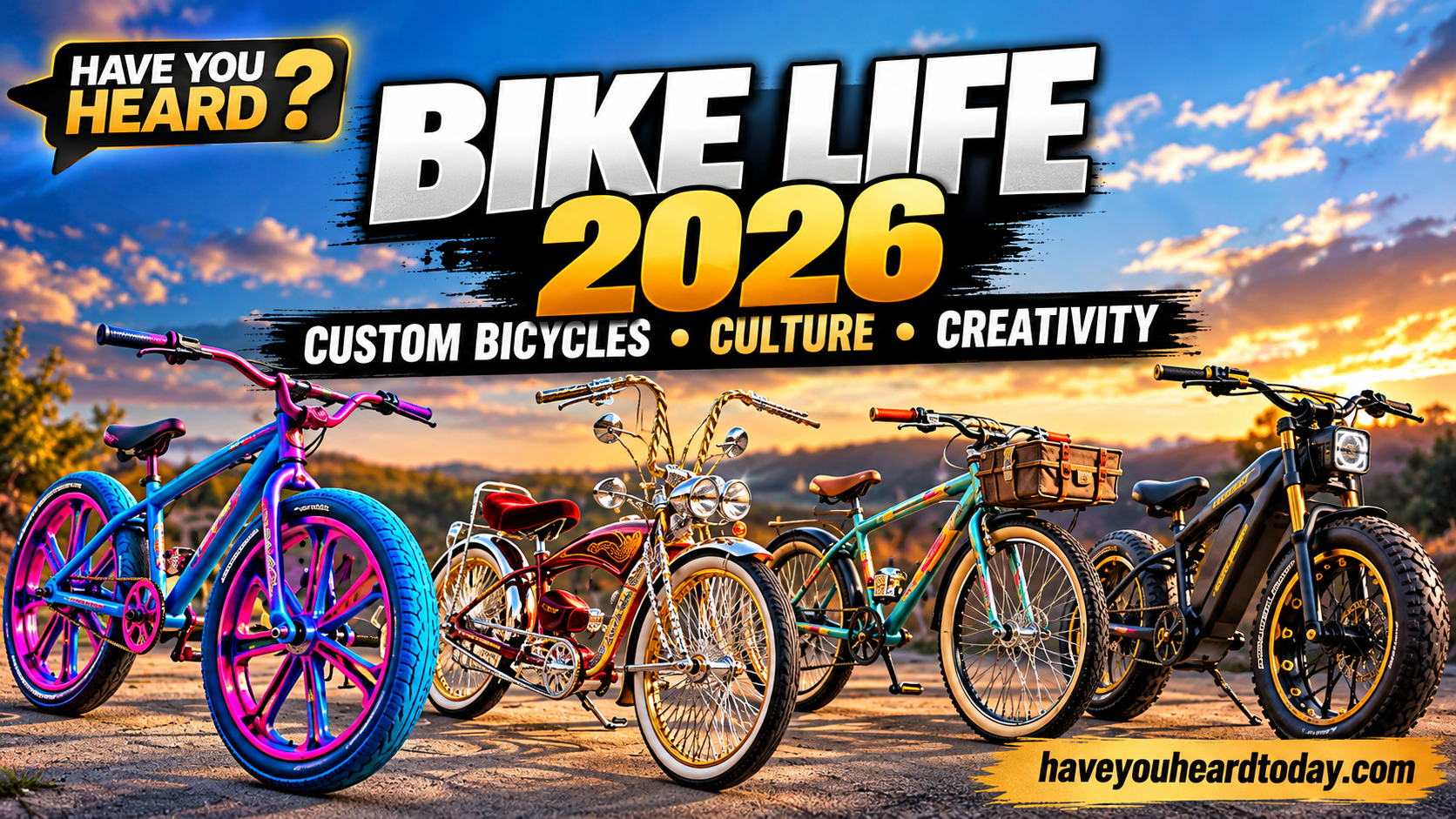
  • Bike Life 2026: Custom Bicycle Culture Rolls Beyond the Riding Season

    Bike Life 2026: Custom Bicycle Culture Rolls Beyond the Riding Season

    HAVE YOU HEARD? Across the United States, bicycle enthusiasts are transforming ordinary two-wheelers into personalized machines that reflect their creativity, identity, and lifestyle.

    From colorful big-wheel BMX bicycles and chrome-covered lowriders to restored vintage models and customized electric bikes, the world of bicycle customization reaches far beyond traditional cycling.

    And with winter approaching in northern parts of the country, the changing seasons introduce another opportunity: building, restoring, and upgrading bicycles before warmer weather returns.

    Bike Life Is More Than a Ride

    For many enthusiasts, a bicycle is more than transportation. It represents craftsmanship, individuality, and community.

    The term “Bike Life” is especially associated with BMX wheelie culture, group rides, and urban cycling communities. But the wider custom bicycle scene also includes lowrider builders, vintage collectors, electric bike enthusiasts, and independent framebuilders.

    Each community brings its own style, traditions, and approach to customization.

    Custom Bicycle Culture Makes Headlines in 2026

    Throughout 2026, bicycle customization has remained visible through organized events, independent builders, and community programs.

    In October, Norco College in California held its Cruising Into Culture Lowrider Show, celebrating customized vehicles, bicycles, craftsmanship, and cultural expression.

    Meanwhile, the 2026 MADE bicycle show in Portland featured handcrafted bicycles from independent builders, demonstrating how personalized design extends from neighborhood workshops to specialized manufacturing.

    These events highlight an active customization scene, although available reporting does not establish a nationwide increase in custom bicycle purchases.

    Five Styles Shaping Custom Bicycle Culture

    1. Big-Wheel BMX Bicycles

    Known for their oversized wheels, colorful frames, custom handlebars, and wheelie-focused riding culture, these bicycles are a recognizable part of modern Bike Life communities.

    2. Lowrider Bicycles

    Lowrider builders create elaborate machines featuring chrome, custom paint, extended forks, specialty wheels, and decorative components. Some are designed primarily for display, while others are regularly ridden.

    3. Vintage Bicycle Restorations

    Older bicycles can receive new life through upgraded components, restored frames, distinctive paintwork, and modern accessories.

    4. Customized Electric Bicycles

    Electric bicycle owners personalize their rides with comfort upgrades, lighting, storage solutions, and appearance-focused accessories. Electrical and mechanical modifications require special attention to safety and applicable regulations.

    5. Handcrafted Specialty Bicycles

    Independent builders create bicycles designed around individual preferences, from custom frame geometry to unusual materials and personalized finishes.

    Winter Could Become Building Season

    As temperatures fall across the Northeast, Midwest, and other colder regions, many cyclists face shorter daylight hours, snow, ice, and less favorable outdoor riding conditions.

    For custom bicycle enthusiasts, the colder months can provide time to focus on projects that are difficult to complete during an active riding season.

    Potential winter projects include:

    • Repainting and restoring bicycle frames.
    • Installing new wheels, handlebars, seats, and accessories.
    • Cleaning and servicing mechanical components.
    • Planning personalized builds for spring.
    • Learning bicycle maintenance and customization skills.

    Meanwhile, riders in warmer climates may continue enjoying outdoor rides and community gatherings throughout much of the year.

    Winter does not necessarily end bicycle culture. In some places, it simply changes how enthusiasts participate.

    Custom Bicycles Create Business Opportunities

    Bicycle customization also supports a network of independent mechanics, framebuilders, painters, accessory suppliers, and specialty retailers.

    Projects can range from affordable upgrades on used bicycles to elaborate custom builds requiring specialized labor and materials.

    Online videos and social media allow builders to showcase their work, connect with other enthusiasts, and reach potential customers beyond their immediate communities.

    However, the size and growth rate of the custom bicycle market would require additional sales and industry data to establish.

    Young Builders Are Learning Valuable Skills

    Community programs are also introducing younger generations to bicycle customization.

    In Albuquerque, New Mexico, a lowrider bicycle program has provided young participants with opportunities to learn design, painting, assembly, and mechanical skills.

    Such programs demonstrate how custom bicycle culture can combine creative expression with practical education and mentorship.

    What Comes Next for Bike Life?

    As 2026 moves toward its final months, the bicycle customization community continues to offer opportunities for creativity, craftsmanship, and connection.

    Some enthusiasts will continue riding in favorable weather. Others may spend the winter restoring older bicycles, ordering custom components, or preparing new builds for the next riding season.

    Whether it’s a colorful BMX, a chrome lowrider, a vintage restoration, or a customized electric bicycle, the appeal remains the same: creating something uniquely personal.

    HAVE YOU HEARD? The next impressive custom machine you see might not have four wheels. It might have two.

    Which custom bicycle would you choose? Big-wheel BMX, lowrider, vintage classic, or electric bike?

    Sources

  • Retirement at 62 or 67? Five Years That Could Change Your Financial Future

    Retirement at 62 or 67? Five Years That Could Change Your Financial Future

    HYH Original | Retirement Planning | October 23, 2026

    For millions of Americans approaching retirement, one question can shape the next several decades: Should you begin collecting Social Security at age 62, or wait until 67?

    The decision involves more than a retirement date. It can affect monthly income, health insurance, the ability to continue working, and how long personal savings may need to last.

    Age 62: The Earliest Starting Point

    Most eligible workers can begin receiving Social Security retirement benefits at age 62. But claiming early permanently reduces the monthly benefit compared with waiting until full retirement age.

    For people born in 1960 or later, the full retirement age is 67. Claiming at exactly 62 generally provides 70% of the full retirement-age benefit.

    Consider a hypothetical worker entitled to $2,000 per month at 67. Claiming at 62 would produce approximately $1,400 per month before future cost-of-living adjustments and other applicable deductions. That is a $600 monthly difference at the starting point.

    However, collecting benefits five years earlier also means receiving payments sooner. The better choice depends on personal finances, health, family circumstances, and expected retirement needs.

    Age 63 to 64: Preparing for the Transition

    For people who have not yet claimed Social Security, these years offer an opportunity to review expenses, savings, debts, and expected retirement income.

    Start by estimating essential monthly costs, including housing, food, transportation, insurance, taxes, and medical expenses. Then compare those costs with projected Social Security, pension income, retirement accounts, and other resources.

    Workers should also review their earnings records through their personal Social Security account and correct any inaccuracies.

    Age 65: Medicare Becomes a Major Decision

    Social Security retirement benefits and Medicare are separate programs with different eligibility rules.

    Medicare eligibility generally begins at age 65, even for someone who plans to delay Social Security retirement benefits until 67.

    The standard Medicare Initial Enrollment Period lasts seven months: the three months before the 65th birthday month, the birthday month, and the three months afterward. Depending on existing coverage, missing an enrollment deadline can lead to coverage gaps or penalties.

    People with qualifying current-employment health insurance may have different enrollment options. They should verify the rules before delaying Medicare.

    Age 66: Should You Continue Working?

    Working while receiving Social Security is permitted, but earnings may affect benefits before full retirement age.

    In 2026, the annual earnings limit for people below full retirement age throughout the year is $24,480. Social Security generally withholds $1 in benefits for every $2 earned above that limit.

    For someone reaching full retirement age in 2026, a higher $65,160 earnings limit applies to earnings before the month of full retirement age, with $1 withheld for every $3 above the limit.

    These limits generally apply to earnings from work, not all forms of retirement income. Benefits withheld under the earnings test may also be reflected in a later benefit recalculation.

    Age 67: Full Retirement Age for Many Americans

    For people born in 1960 or later, age 67 is the full retirement age for Social Security retirement benefits.

    At that point, an eligible worker can receive the full retirement-age benefit based on their earnings history. Social Security’s retirement earnings test no longer applies beginning with the month full retirement age is reached.

    But reaching 67 does not mean everyone must stop working. Some may choose to continue earning income or delay claiming benefits beyond full retirement age.

    Five Questions to Answer Before Retiring

    1. How much Social Security would I receive at 62, 65, 67, or 70?
    2. Can my monthly retirement income cover essential expenses?
    3. How will I pay for health coverage before and after Medicare eligibility?
    4. Will I continue working part-time, full-time, or independently?
    5. How would a longer-than-expected retirement affect my savings?

    The HYH Bottom Line

    Retirement planning is not simply about reaching a certain birthday. It is about deciding when to claim benefits, how to maintain financial stability, and what kind of life to build after full-time work.

    For some, retiring at 62 may be necessary or desirable. For others, continuing to work and delaying benefits may provide greater long-term financial security.

    The most important step is to compare the numbers before making a decision.

    This article provides general educational information, not individualized financial, tax, legal, or benefits advice. Social Security rules and individual circumstances vary.

    Sources

    Source: Social Security Administration — Benefits by Retirement Age

    Source: Social Security Administration — When to Start Retirement Benefits

    Source: Social Security Administration — 2026 Benefit and Earnings Figures

    Source: Medicare — Enrollment and Coverage Start Dates

    Source: Social Security Administration — Working While Receiving Benefits

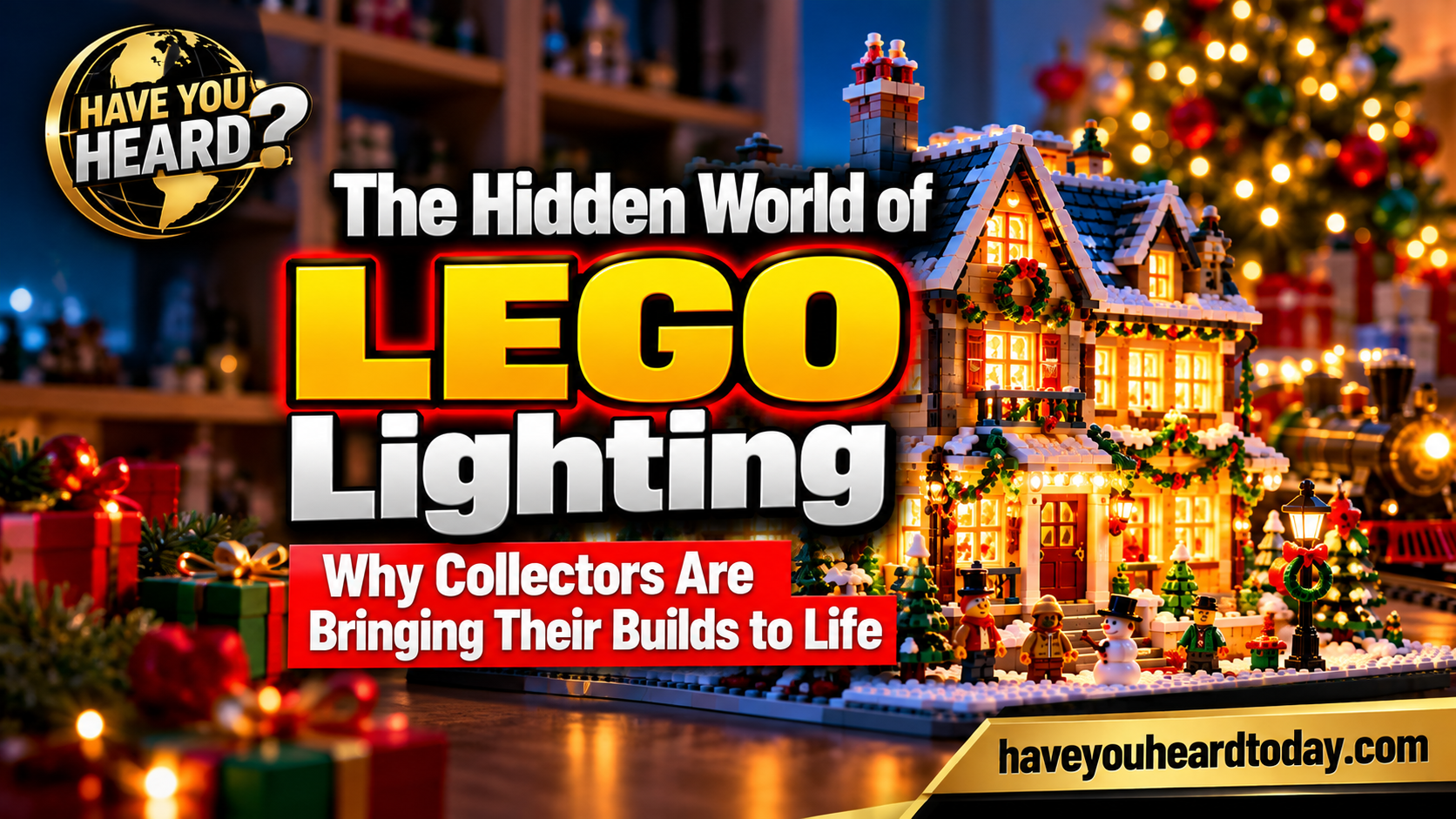
  • The Hidden World of LEGO Lighting: Why Collectors Are Bringing Their Builds to Life

    The Hidden World of LEGO Lighting: Why Collectors Are Bringing Their Builds to Life

    What happens when a completed building-block creation becomes more than something sitting on a shelf? For collectors exploring miniature LED lighting, the answer can be surprisingly dramatic.

    Imagine a miniature city glowing after sunset, a spacecraft illuminated against a dark background, or a detailed architectural model transformed into a nighttime display.

    Lighting accessories are opening new creative possibilities for fans of LEGO and other compatible building systems. And with the holiday shopping season approaching, they also offer an interesting gift idea for people who already own their favorite building sets.

    Affiliate disclosure: Have You Heard? may earn a commission from qualifying purchases made through affiliate links in this article, at no additional cost to you.

    From Building Sets to Illuminated Displays

    For generations, building-block enthusiasts have enjoyed assembling everything from cars and castles to famous landmarks and fictional worlds.

    But finishing the model doesn’t necessarily mean finishing the creative process.

    Some collectors customize their displays with lighting, backgrounds, protective cases and specially designed shelves.

    Miniature LED lighting can help highlight windows, headlights, streetlamps and interior details that might otherwise be difficult to notice.

    The result can make a familiar model look dramatically different after dark.

    How Do LEGO-Compatible Lighting Kits Work?

    Aftermarket lighting kits typically use small LED components connected by thin wires and powered through a compatible electrical source.

    Depending on the design, lights may be positioned behind windows, beneath transparent pieces or inside specific sections of a model.

    Some kits are designed around particular building-set numbers, helping collectors identify products intended for the models they already own.

    However, lighting accessories are not universal. Buyers should verify compatibility, power requirements and installation instructions before ordering.

    Why Collectors Add Lighting to Their Models

    Lighting can change the way a completed model is presented.

    A miniature building might resemble an ordinary architectural display during daylight hours. After illumination, individual rooms and windows can become the focus.

    Vehicle collectors may highlight headlights and interior details, while space enthusiasts can use carefully positioned lighting to create dramatic effects.

    For many hobbyists, the appeal lies in personalization: making a familiar building set feel unique.

    A Creative Gift Idea for the Holiday Season

    As Christmas approaches, shoppers often look for gifts that connect with hobbies their friends and family already enjoy.

    For someone who owns an extensive collection of building sets, another model isn’t necessarily the only option.

    Display accessories, protective cases and lighting kits may offer ways to enhance a collection that is already complete.

    Holiday-themed models, miniature winter villages and decorative buildings can be especially interesting candidates for illuminated displays.

    Before purchasing, shoppers should confirm that an accessory matches the recipient’s exact set and consider whether installation requires additional time or assistance.

    Where Can Collectors Explore Lighting Accessories?

    Several aftermarket companies offer lighting accessories for compatible building sets.

    One example is BRKOX, which offers LED light kits, display frames and cases for a range of LEGO-compatible models, including buildings, vehicles and seasonal displays.

    Its online catalog allows shoppers to explore accessories associated with particular building-set numbers.

    Interested in exploring the options? Browse BRKOX lighting accessories and compare compatibility with the models you already own.

    Explore BRKOX:
    Browse BRKOX LED Lighting Kits and Display Accessories

    Affiliate link: Have You Heard? may receive a commission from qualifying purchases through this link, at no additional cost to you. We have not independently tested these products.

    What Should Buyers Check Before Ordering?

    Not every lighting kit works with every building set, even when the models appear similar.

    Start by checking the exact model number and the manufacturer’s compatibility information.

    Review the power source, installation requirements and whether the original building set is included. Many lighting products are accessories only, meaning the building model must be purchased separately.

    Shoppers should also examine shipping estimates, return policies and any age or electrical-safety guidance, especially when purchasing gifts.

    The Bigger Story: Technology Meets Creativity

    The appeal of detailed collectible displays reflects a broader relationship between technology and traditional hobbies.

    LED components make it possible to illuminate small spaces with compact lighting systems.

    Meanwhile, hobbyists continue finding new ways to combine electronics, model building and visual storytelling.

    For some, the finished display becomes a miniature scene. For others, installing the lighting becomes a second creative project after the original construction is complete.

    Why This Hobby Has Year-Round Appeal

    Although lighting accessories can make interesting holiday gifts, their usefulness is not limited to Christmas.

    Collectors display architectural models, vehicles, fictional spacecraft and miniature city scenes throughout the year.

    For enthusiasts who enjoy improving existing creations, lighting offers an additional opportunity for experimentation and customization.

    That makes illuminated building-block displays a subject worth exploring long after the holiday decorations come down.

    The HYH Bottom Line

    A building-block model may be complete when the final piece clicks into place, but collectors can continue exploring ways to personalize it.

    Miniature lighting accessories offer one way to turn familiar models into striking displays, especially for enthusiasts who enjoy showcasing their collections.

    Whether you’re exploring a holiday gift or looking for inspiration for your own creations, compatibility and thoughtful installation matter more than flashy product promises.

    Have You Heard? Sometimes the most surprising transformation happens after the building is finished—and the lights come on.

    Sources and Further Reading

    Editorial note: BRKOX is an affiliate advertising partner of Have You Heard? Product descriptions are based on publicly available information, not independent hands-on testing. LEGO is a trademark of the LEGO Group; references to LEGO-compatible accessories do not imply endorsement by the LEGO Group.