Tag: entertainment news

  • Paul McCartney Reveals His Surprising Complaint About the Upcoming Beatles Movies

    Paul McCartney Reveals His Surprising Complaint About the Upcoming Beatles Movies

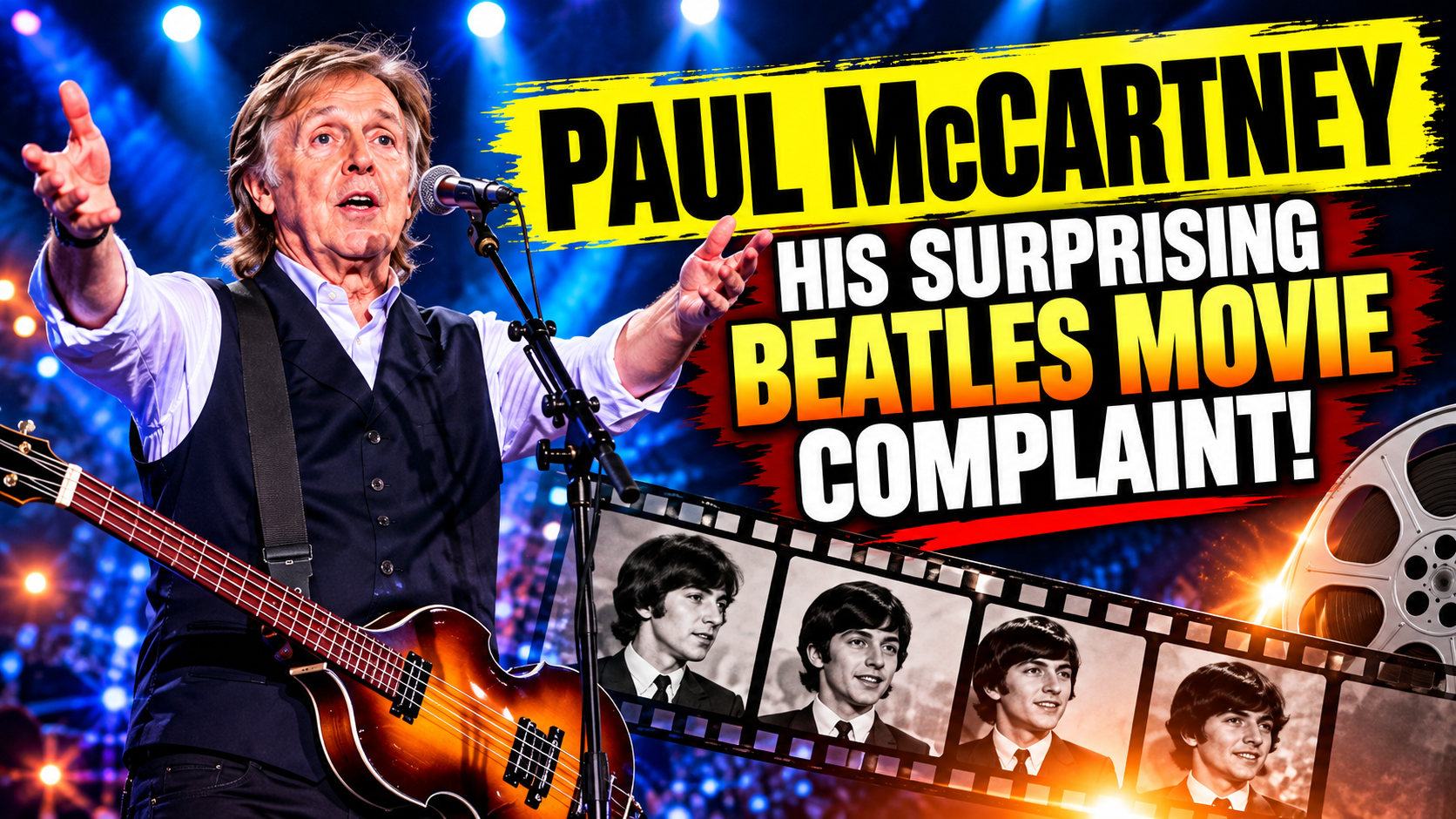
    HAVE YOU HEARD? Paul McCartney has revealed a surprisingly specific complaint about the way Hollywood portrays him in movies about The Beatles. It is not about the music, the costumes, or the actors’ accents. It is about his height.

    During an October 13, 2026 appearance on Good Hang With Amy Poehler, the legendary singer-songwriter explained why he dislikes seeing himself depicted as noticeably shorter than John Lennon. With four new Beatles films on the way, the subject has become especially relevant.

    Why Paul McCartney Is Concerned About His Height on Screen

    McCartney told Poehler that he, Lennon, and George Harrison were approximately the same height when they were young, while Ringo Starr was somewhat shorter. Yet he believes some dramatizations have created a misleading visual contrast between him and Lennon.

    It might sound like a small detail, but physical appearance can influence how audiences interpret a relationship. When one character consistently towers over another, viewers may unconsciously read that difference as a sign of authority or dominance. For McCartney, that risks distorting how people imagine the personalities and dynamics of The Beatles.

    The Earlier Beatles Film That Bothered Him

    McCartney recalled the 2009 film Nowhere Boy, which explored John Lennon’s youth. Aaron Taylor-Johnson played Lennon, while Thomas Brodie-Sangster portrayed the young McCartney.

    According to McCartney, the casting and presentation made his younger self appear considerably smaller than Lennon. He raised the issue with director Sam Taylor-Johnson, but the filmmaker emphasized that the production was a dramatization rather than a documentary.

    That distinction is important. Biographical films often prioritize performances, storytelling, and dramatic composition over perfect physical resemblance. But when the subjects are among the most recognizable musicians in history, even seemingly minor creative choices can attract scrutiny.

    Now Sam Mendes Is Making Four Beatles Movies

    The latest concern comes as director Sam Mendes prepares The Beatles — A Four-Film Cinematic Event, an ambitious project telling the band’s history through four separate feature films. Each installment will focus on a different Beatle, with the stories designed to connect.

    The announced principal cast includes:

    • Paul Mescal as Paul McCartney
    • Harris Dickinson as John Lennon
    • Joseph Quinn as George Harrison
    • Barry Keoghan as Ringo Starr

    The four films are currently scheduled for theatrical release in April 2028. The production has secured authorized life-story and music rights, making it a particularly significant attempt to dramatize the band’s history.

    What McCartney Told Director Sam Mendes

    During the podcast conversation, McCartney explained that the difference in stature between actors Paul Mescal and Harris Dickinson revived his old concern. Dickinson, who will portray Lennon, is taller than Mescal, who will portray McCartney.

    McCartney said he had contacted Mendes about the issue. The director reportedly offered an explanation involving the way the actors were walking and how the scene appeared on camera. The exchange was described with humor, but McCartney’s underlying point was clear: he wants the films to avoid reinforcing an inaccurate impression of the band’s physical dynamic.

    Why Four Different Beatles Perspectives Matter

    The Beatles have inspired countless books, documentaries, and screen portrayals. But their story is unusually difficult to capture in a single film. The group combined four distinct personalities, musical talents, and life experiences, all within an extraordinary period of cultural change.

    Mendes’ approach could offer a different way of understanding familiar events. A disagreement, recording session, or turning point might look different when experienced through McCartney’s perspective rather than Lennon’s, Harrison’s, or Starr’s.

    That also makes the details of characterization especially important. Clothing, body language, personal relationships, and physical presence all contribute to how audiences perceive each musician. McCartney’s comments highlight the tension between cinematic storytelling and the memories of people who actually lived the history.

    The Bigger Question: How Accurate Should Music Biopics Be?

    Music biopics must balance two competing goals. They need to entertain audiences with a compelling narrative, but they also carry the responsibility of representing real people and events.

    Actors do not have to be exact physical doubles of the artists they portray. A convincing performance can communicate personality and emotion more effectively than a perfect resemblance. Still, some visual differences may unintentionally change how viewers interpret the historical relationships.

    McCartney’s concern offers a reminder that historical accuracy is not always about dates, locations, or famous performances. Sometimes, it comes down to how two musicians appear standing beside one another.

    What Happens Next?

    With the four Beatles films planned for April 2028, fans will have plenty of time to debate casting choices and creative decisions. For now, McCartney’s lighthearted objection has already drawn attention to one surprisingly personal detail.

    Whether the filmmakers adjust their presentation remains to be seen. But one thing is certain: when it comes to telling the story of The Beatles, even the smallest details can generate a big conversation.

    Have You Heard? Do you think actors in music biopics should closely resemble the musicians they portray, or does a great performance matter more? Share your thoughts.

    Sources and Further Reading

  • Nicolas Cage Refuses AI Waiver for Spider-Noir, Raising Questions About Hollywood’s Future

    Nicolas Cage Refuses AI Waiver for Spider-Noir, Raising Questions About Hollywood’s Future

    By Have You Heard? | October 10, 2026

    NEW YORK — Nicolas Cage has spent decades playing characters who refuse to follow the rules. Now, the Oscar-winning actor is making headlines for drawing a boundary of his own — this time over artificial intelligence and the future of Hollywood.

    During an appearance at New York Comic Con on October 10, Cage revealed that he refused to sign an artificial intelligence waiver connected to Spider-Noir, his Prime Video superhero series. He also suggested that the disagreement could affect his future working relationship with Amazon.

    His remarks arrive at a moment when entertainment companies are exploring increasingly sophisticated AI technology, while performers, writers, and other creative professionals are questioning how their work, voices, and likenesses might be used.

    For Cage, the issue appears to be more than a technological debate. It raises a fundamental question: Who should control an actor’s performance after the cameras stop rolling?

    What Nicolas Cage Said About Amazon and Artificial Intelligence

    Speaking during a career-focused panel at New York Comic Con, Cage addressed the challenges facing performers in a rapidly changing entertainment industry.

    “I am not an AI-friendly actor,” Cage told the audience, according to reporting by Variety and The Hollywood Reporter.

    He also disclosed that he had declined to sign a waiver that would have permitted AI-related use in connection with Spider-Noir.

    Cage suggested that his refusal might affect whether he works with Amazon again. His comments were striking because Spider-Noir represented a major new chapter in his career: his first leading role in a television series.

    Amazon had not publicly provided a detailed response to Cage’s allegations at the time of the initial reports.

    The exact language of the waiver has not been made public in the reporting reviewed for this article. Without seeing the document, it is impossible to determine precisely what AI uses it would have authorized, how long any permission would have lasted, or whether the proposed agreement involved a digital likeness, voice reproduction, performance modification, or another application.

    What is clear is that Cage publicly said he declined to sign it.

    Why Spider-Noir Made the Disagreement So Significant

    Spider-Noir was not an ordinary superhero production.

    The Prime Video series reimagined a Spider-Man-related character within a dark, 1930s-inspired crime setting. Cage portrayed Ben Reilly, also known as the Spider, bringing his distinctive acting style to a character shaped by noir storytelling and comic-book mythology.

    The project offered an unusual combination: a recognizable Marvel-related character, an established Hollywood star, and a visually ambitious approach to superhero television.

    According to reports from Variety and the Los Angeles Times, the series accumulated approximately 2.6 billion minutes viewed during its first six weeks and earned 11 Emmy nominations.

    Yet Amazon canceled the series after one season in September 2026.

    The cancellation surprised observers who viewed the show’s audience numbers and awards recognition as signs of success.

    Cage’s comments have now added a new dimension to the conversation surrounding the program.

    However, there is an important difference between speculation and established fact.

    No verified evidence currently establishes that Cage’s refusal to sign the AI waiver caused Amazon to cancel Spider-Noir. The actor’s remarks may invite questions about the relationship, but the cancellation’s underlying business decisions have not been publicly tied to the waiver.

    Why Actors Are Concerned About AI-Generated Performances

    Artificial intelligence is changing what entertainment companies can create, reproduce, and alter.

    Some technologies can generate synthetic voices, manipulate facial expressions, recreate visual likenesses, or produce images and video that resemble real people. Others can assist with editing, visual effects, localization, and production planning.

    These applications are not all identical, and their implications differ considerably.

    For an actor, however, the central concern is often consent.

    Imagine a performer completing a film or television project, only to discover that a digitally reproduced version of their face or voice could later appear in material they never personally performed.

    That possibility raises difficult questions.

    Would the actor need to approve each new use? Would additional compensation be required? Could a digital replica appear in a sequel, advertisement, or promotional campaign? What safeguards would prevent misleading or unauthorized performances?

    The answers depend on contracts, applicable laws, and the circumstances of each production.

    Cage’s decision brings those questions into public view through a recognizable Hollywood figure.

    Hollywood’s AI Debate Did Not Begin With Nicolas Cage

    The entertainment industry’s concerns about artificial intelligence have been developing for years.

    During the 2023 Hollywood labor disputes, AI became a prominent issue in negotiations involving actors and writers.

    Performers sought protections related to digital replicas, consent, and compensation. Writers raised concerns about the use of AI-generated material and the potential impact on creative employment.

    The resulting agreements established important protections, although debates about emerging technology continue as AI capabilities evolve.

    For actors, the stakes can be unusually personal.

    A performance is not simply a collection of images and sounds. It involves choices about movement, expression, timing, emotion, and character.

    An AI-generated reproduction might resemble the original performer without reflecting the artistic decisions that performer would have made.

    That distinction is particularly relevant to Cage, whose career has been defined by unconventional choices and unmistakable screen presence.

    Nicolas Cage’s Career Has Always Been About Individuality

    From Moonstruck and Leaving Las Vegas to The Rock, Con Air, and National Treasure, Nicolas Cage has built a career around performances that rarely feel interchangeable.

    He won the Academy Award for Best Actor for Leaving Las Vegas, demonstrating a dramatic range that extends well beyond the action films and eccentric roles for which he is frequently celebrated.

    Cage has also developed a remarkable following among younger audiences through internet memes, cult films, and his willingness to take creative risks.

    That combination makes his position on AI especially interesting.

    An actor whose performances are instantly recognizable is questioning the technology’s potential role in reproducing or altering the work of human performers.

    His stance also challenges a common assumption about Hollywood: that established stars will automatically accept whatever technological changes major studios introduce.

    In this case, Cage has publicly indicated that there are permissions he is unwilling to grant.

    Could AI Change the Balance of Power Between Studios and Performers?

    Artificial intelligence may offer production companies significant opportunities, including faster workflows and new visual effects techniques.

    But those efficiencies can create tension when technology touches the rights and livelihoods of creative workers.

    A studio may see a digital recreation as a production asset. A performer may see it as an extension of their personal identity and professional reputation.

    Neither concern disappears simply because the technology becomes more advanced.

    Clear agreements are therefore essential.

    They can establish what material may be created, which uses require approval, whether compensation is owed, and how rights are handled after a project ends.

    Without that clarity, disagreements can develop long after filming has concluded.

    Cage’s comments illustrate how these questions can affect relationships between major studios and established talent.

    What Happens Next for Nicolas Cage?

    Despite his comments about Amazon, Cage does not appear ready to retreat from acting.

    At the same Comic Con event, he expressed interest in working with a younger generation of filmmakers, including creators who developed their skills and audiences through online platforms.

    He also fueled speculation about a possible role in the fifth season of HBO’s True Detective.

    Cage suggested that another television project could be in his future and mentioned True Detective by name.

    However, HBO had not officially confirmed his casting in the initial reports, and Cage’s remarks should not be treated as a finalized announcement.

    The possibility is intriguing. An anthology crime drama could provide another opportunity for Cage to explore an unconventional, psychologically complex character.

    Whether that project materializes or not, his comments suggest he intends to continue seeking new creative opportunities.

    The Bigger Question: Who Owns a Performance in the Age of AI?

    The Nicolas Cage controversy is ultimately about more than one actor, one television series, or one studio.

    It concerns the changing relationship between human creativity and increasingly capable technology.

    AI may become an important part of how films and television programs are produced. It may also create new forms of storytelling that were previously impractical.

    But the industry’s challenge is to establish boundaries that allow innovation without stripping performers of meaningful control over their identities and creative contributions.

    Cage has made his personal position unmistakable: he is unwilling to approve certain AI uses associated with his work.

    Whether other performers follow his example remains to be seen.

    What happens next could influence how studios approach consent, contracts, and collaboration in future productions.

    Final Thoughts

    Nicolas Cage has played superheroes, criminals, adventurers, and characters who defy expectations.

    Now, away from the screen, he has stepped into one of Hollywood’s most consequential debates.

    His refusal to sign an AI waiver for Spider-Noir does not prove why the series was canceled. But it does reveal a disagreement about technology that reaches far beyond a single production.

    As artificial intelligence continues reshaping entertainment, one question will become increasingly difficult to ignore:

    Should a studio be able to reproduce an actor’s performance without that actor’s explicit approval?

    For Nicolas Cage, the answer appears clear.

    Have You Heard? What do you think? Should actors have the final say over how their faces, voices, and performances are recreated using artificial intelligence?

    Follow Have You Heard? for more entertainment news, Hollywood developments, and stories behind the headlines.

    Sources and Further Reading

  • Outkast Trademark Company Sues Ovrkast Over Stage Name as Rapper Pushes Back

    Outkast Trademark Company Sues Ovrkast Over Stage Name as Rapper Pushes Back

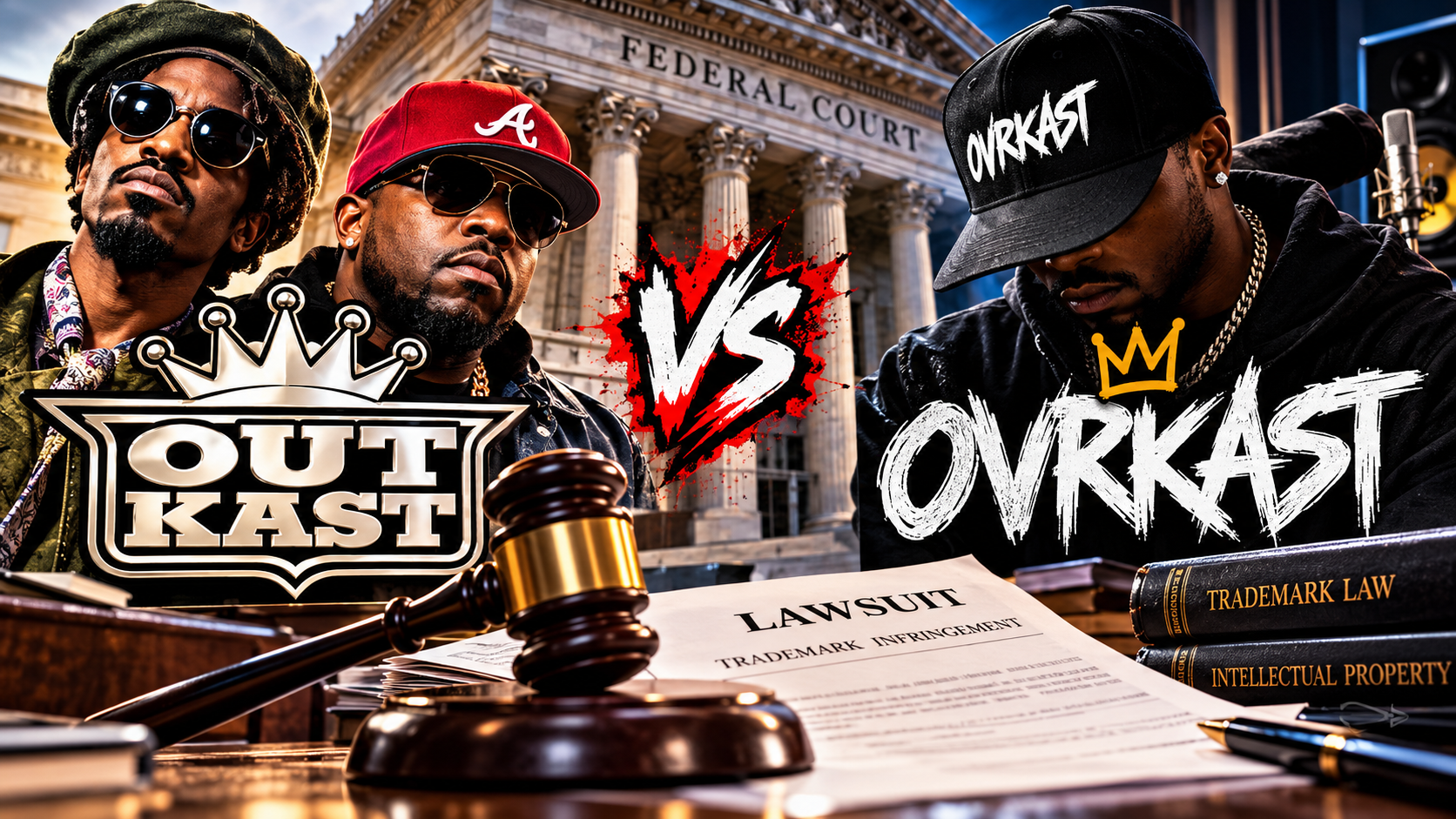
    Editorial illustration created for Have You Heard? This is not a photograph from the court proceedings.

    A dispute over two remarkably similar names has moved from the recording studio into federal court.

    High Schoolers, LLC, the company that controls trademarks associated with legendary Atlanta hip-hop duo Outkast, filed a lawsuit on September 16, 2026, against rapper and producer Silas Wilson, professionally known as Ovrkast.

    The case was filed in the U.S. District Court for the Northern District of Georgia and alleges trademark infringement, unfair competition, trademark dilution, breach of contract and several other claims. The complaint contains 10 counts and requests a jury trial.

    But this is not simply a case of one artist discovering another artist with a similar name.

    According to the lawsuit, the two sides had already spent more than a year attempting to resolve the dispute privately before negotiations collapsed.

    Ovrkast, meanwhile, is publicly challenging an important part of Outkast’s version of events.And that disagreement may become one of the most interesting parts of the case.

    Who Actually Filed the Lawsuit?

    Technically, André 3000 and Big Boi are not individually listed as the plaintiff.

    The plaintiff is High Schoolers, LLC, which the complaint describes as Outkast’s trademark-holding company and says is controlled by André Benjamin and Antwan Patton — better known as André 3000 and Big Boi.

    The company says Outkast has continuously used its name since the duo formed in 1993.

    The complaint points to Outkast’s decades of commercial success, six Grammy Awards, more than 25 million records sold and its 2025 induction into the Rock & Roll Hall of Fame as evidence of the name’s enormous recognition and commercial value. Those descriptions are allegations and representations made by the plaintiff in its filing.

    High Schoolers also identifies several federal trademark registrations covering the Outkast name for music recordings, clothing and entertainment services.

    Why Outkast Says the Names Are Too Similar

    At the center of everything are two words:

    OUTKAST

    and

    OVRKAST

    High Schoolers argues that the names are so similar that listeners could mistakenly believe Ovrkast is connected with, sponsored by or otherwise affiliated with Outkast.

    The lawsuit goes further, alleging that Wilson selected his professional name while aware of Outkast and intending either to benefit from the group’s fame or at least evoke it in consumers’ minds. Wilson disputes that characterization.

    Under U.S. trademark law, two names do not necessarily need to be spelled identically for a conflict to exist.

    The U.S. Patent and Trademark Office explains that trademarks may be considered confusingly similar because of their appearance, sound, meaning or overall commercial impression. Whether the products or services associated with the marks are related is also important.

    That principle is particularly relevant here because both names are being used within the music industry.

    The 2025 Cease-and-Desist

    According to the complaint, High Schoolers’ attorneys contacted Wilson on June 18, 2025, sending a cease-and-desist letter demanding that he discontinue use of the Ovrkast name.

    Rather than immediately taking the fight to court, the parties entered negotiations.

    High Schoolers says those discussions eventually resulted in terms under which Wilson would phase out OVRKAST across his website, social accounts, streaming profiles, advertising, merchandise and other uses.

    The proposed replacement?

    OVERKXST.

    The complaint says that name had been approved by High Schoolers.

    The Proposed Name Change to OVERKXST

    The negotiations continued into 2026.

    According to High Schoolers, Wilson’s attorney requested on April 7 that the deadline for completing the switch be extended until July 15, 2026.

    High Schoolers says it accepted that request and sent a finalized settlement agreement three days later.

    But there is one fact on which both the reporting and complaint are especially important:

    Wilson never signed that final document.

    That does not automatically answer whether an enforceable agreement existed.

    And that leads directly to the biggest disagreement between the two sides.

    The Major Disagreement: Was There Really a Binding Agreement?

    High Schoolers argues that the parties had already agreed to the material terms during negotiations and that the resulting settlement was therefore binding despite the lack of Wilson’s signature.

    The company says Wilson later delayed completing the paperwork and continued using Ovrkast beyond the proposed July 15 transition date.

    Wilson tells a different story.

    After news of the lawsuit surfaced, he publicly stated that he never signed an agreement and said he had attempted to cooperate and suggest alternatives during the discussions.

    That means the dispute is about more than trademark similarity.

    The court may ultimately also have to address whether negotiations conducted through the parties’ attorneys created an enforceable settlement even without Wilson signing the final document.

    No court has yet resolved that question in this case.

    Ovrkast Pushes Back

    On September 26, Ovrkast gave a more extensive response.

    He said his professional identity had been developed independently of Outkast and denied ever intending to imitate the legendary group or mislead listeners.

    He also expressed respect for Outkast and said he hopes the dispute can ultimately be resolved in a way that allows him to continue building his own place in hip-hop.

    That response is important because intent is one of several factors courts may consider in trademark infringement disputes — although it is not the only one.

    The USPTO explains that courts can consider similarity between the marks, the strength of the older mark, how the parties market their products, their audiences, evidence of actual confusion and the defendant’s intent, among other factors.

    Why “Consumer Confusion” Matters

    One of the most interesting pieces of evidence cited by High Schoolers comes from Ovrkast himself.

    During a 2025 Rolling Stone interview, Wilson discussed people sometimes reading his name as Outkast and assuming there was some connection.

    High Schoolers included that interview in its complaint and argues that Wilson’s comments demonstrate that confusion has actually occurred.

    Wilson’s own explanation in that interview, however, was essentially the opposite: he said he had not been thinking about Outkast when choosing the name.

    Those two interpretations illustrate the dispute perfectly.

    High Schoolers views those encounters as evidence supporting its trademark claim.

    Ovrkast views them as misunderstandings that do not mean he intentionally copied the group.

    It will be up to the legal process — not either side’s public statements — to determine what significance that evidence ultimately carries.

    What Outkast’s Company Wants From the Court

    High Schoolers is asking for substantially more than a declaration that the names are similar.

    The complaint seeks a permanent injunction that would prevent Wilson from continuing to use Ovrkast, as well as certain similar branding.

    The company also seeks monetary relief, including profits connected to the disputed name, damages and attorneys’ fees. The filing does not state a specific overall dollar amount.

    If the company ultimately obtained all of the requested relief, Wilson could also be required to remove the Ovrkast name from websites, social media and other platforms and surrender certain branded materials for destruction.

    Those are requests made in the complaint — not remedies that have already been awarded.

    Why This Case Matters to Artists and Producers

    There is a bigger music-industry lesson buried inside this unusual hip-hop dispute.

    A stage name is not merely something printed on an album cover anymore.

    It can appear across Spotify, YouTube, Apple Music, merchandise, touring advertisements, websites, social media accounts and licensing deals.

    For an artist who spends years developing an audience, changing that name can potentially mean rebuilding part of that identity.

    At the same time, trademark owners have strong incentives to police their names because trademarks function as indicators of who produced or sponsored a particular product or service.

    The USPTO specifically advises businesses to search for potentially conflicting trademarks because marks can conflict when they look or sound similar and are associated with related products or services.

    For independent rappers and producers, the Outkast-Ovrkast fight is therefore about much more than one missing letter.

    It demonstrates how something as basic as an artist name can eventually become a valuable piece of intellectual property — and potentially the subject of expensive federal litigation.

    What Happens Next?

    For now, the lawsuit remains pending.

    The federal docket identifies the case as High Schoolers, LLC v. Wilson, Case No. 1:26-cv-05345, assigned to U.S. District Judge Eleanor L. Ross in the Northern District of Georgia.

    Outkast’s trademark company has laid out its allegations.

    Ovrkast has now publicly disputed important parts of them.

    And no judge or jury has yet determined which side will prevail.

    That leaves one very simple question hanging over one of hip-hop’s most unusual name disputes:

    How similar is too similar?

    Have you heard?

    For the full story behind the headlines, keep following HaveYouHeardToday.com.

    Sources

    1. Federal complaint — High Schoolers, LLC v. Silas WilsonThe 31-page September 16 filing containing High Schoolers’ allegations, trademark information, negotiation timeline and requested relief.

    2. Music Business Worldwide — Outkast’s trademark company sues rapper OvrkastDetailed reporting on the complaint, proposed OVERKXST name change and disputed settlement negotiations.

    3. Rolling Stone — Ovrkast responds to Outkast lawsuitOvrkast’s September 26 response explaining his position that he developed the name independently and did not intend to confuse listeners.

    4. U.S. Patent and Trademark Office — Likelihood of confusionOfficial background explaining why trademark disputes can involve similarity in appearance, sound, meaning and related goods or services.

  • Have You Heard? Lionel Richie Undergoes Heart Procedure After Recent Health Scares

    Have You Heard? Lionel Richie Undergoes Heart Procedure After Recent Health Scares

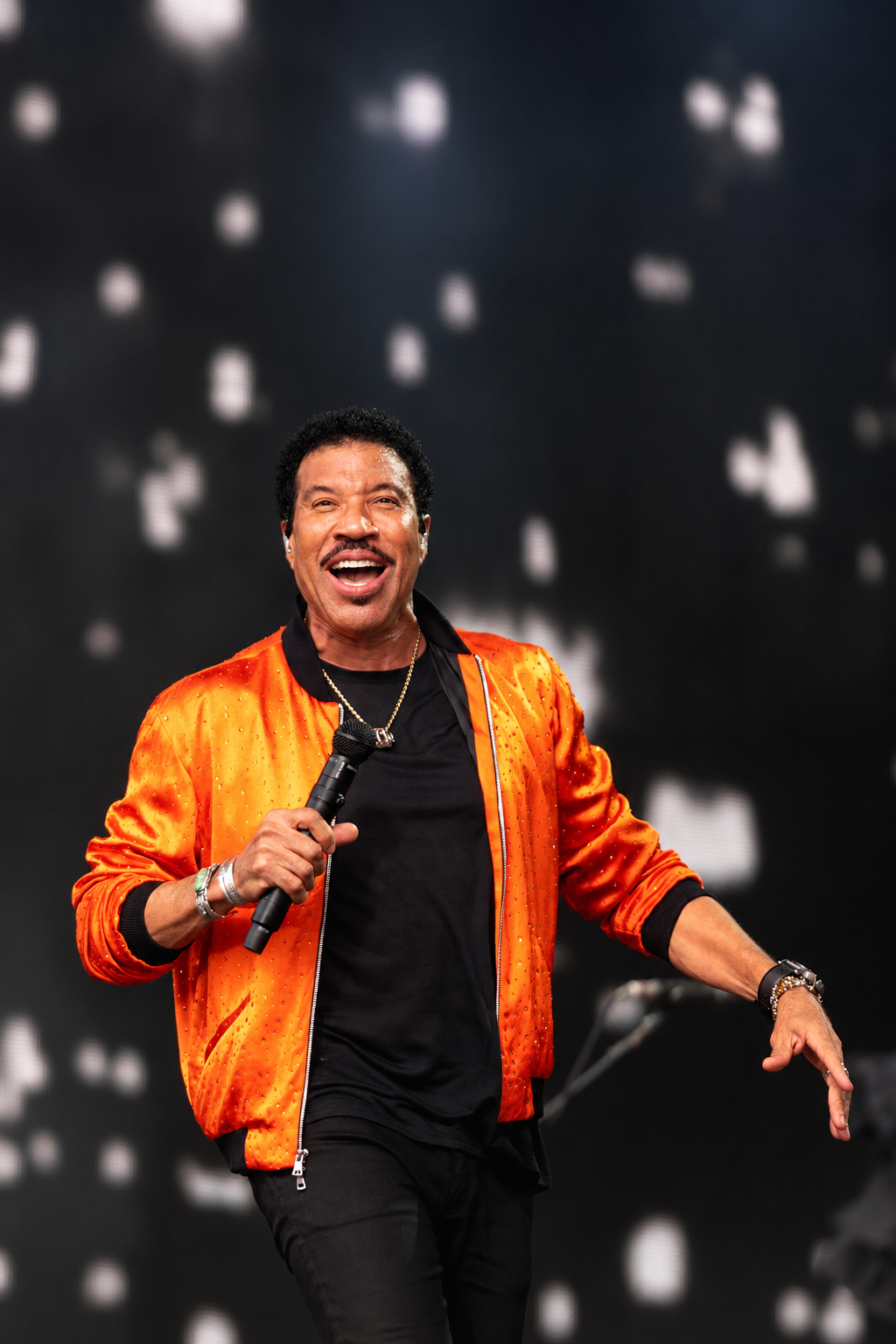
    Music legend Lionel Richie is taking time away from the stage after undergoing a heart procedure following a series of recent health concerns.

    A representative for the 77-year-old singer confirmed that Richie underwent a procedure for atrial fibrillation, commonly known as AFib — a condition involving an irregular heartbeat.

    His representative says the procedure went well and that Richie is doing well as he recovers.

    But the latest development follows several concerning incidents over the past few months.

    In June, Richie experienced dizziness while performing and briefly left the stage. He later returned to touring.

    Then, following an August 29 performance in St. Louis, Richie was hospitalized and underwent cardiac testing.

    Now, after undergoing the heart procedure, Richie is taking additional time away from performing.

    Several scheduled dates on his tour with Earth, Wind & Fire have been affected, including an October 2 performance in Columbus, Ohio.

    AFib is one of the most common types of irregular heart rhythm. Depending on the individual patient, doctors have several treatment options available, including medications and procedures designed to help control or restore the heart’s rhythm.

    Richie’s representatives have not publicly provided every detail of his treatment, so it is important not to speculate beyond what has been confirmed.

    For fans, however, the encouraging news is that his representative says the procedure was successful and that the legendary performer is doing well.

    After more than five decades of hits — from his years with the Commodores to an enormously successful solo career — Lionel Richie remains one of the most recognizable voices in popular music.

    For now, the focus is on his recovery before his return to the stage.

    Have you heard?