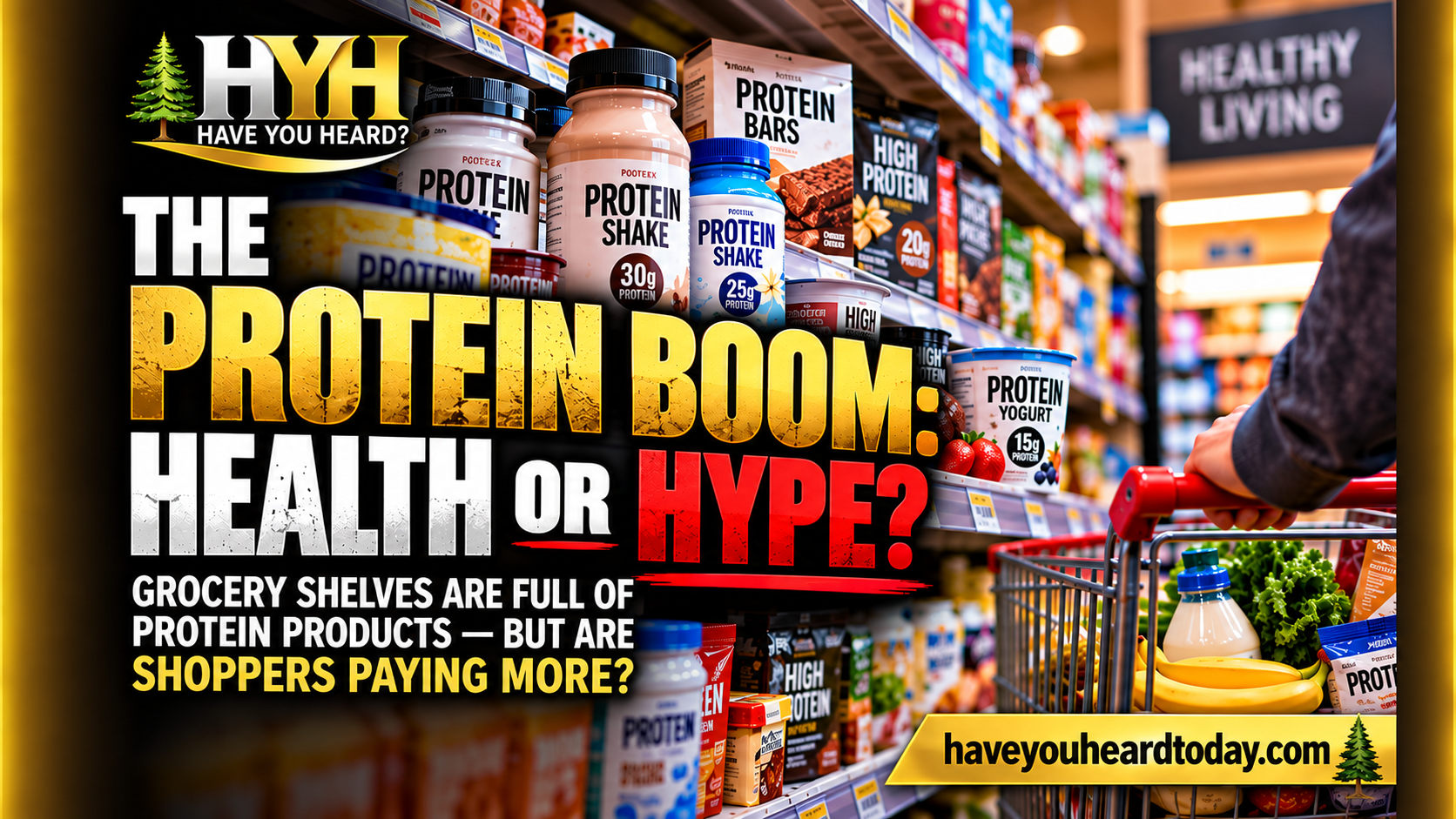
Have you heard? America’s grocery aisles are filling with protein-packed foods, from shakes and yogurt to coffee, snacks and even desserts. But as food companies rush to satisfy growing demand, a new question is emerging: Are shoppers getting meaningful nutrition, or simply paying extra for a popular label?
A Reuters report published October 23, 2026, highlighted how weight-loss medications and changing eating habits are accelerating the protein trend, while consumers are becoming more skeptical of products marketed as high in protein.
Why Protein Is Suddenly Everywhere
Protein has long been associated with muscle growth and recovery. Now it is increasingly becoming a selling point across the supermarket. Food manufacturers are developing protein-enriched versions of familiar products as consumers seek convenient ways to increase their intake.
The rise of GLP-1 medications, including drugs used for weight management, is one factor behind the trend. Some people taking these medications are paying closer attention to protein as they seek to preserve muscle while losing weight. But the interest extends well beyond medication users.
The Price Question: Are Consumers Paying for the Label?
A product labeled “high protein” is not necessarily a better purchase. Shoppers may find themselves comparing a premium protein snack with ordinary foods that already provide substantial protein, such as eggs, beans, dairy products or fish.
Reuters reported that consumers are increasingly examining serving sizes, ingredients and nutritional value instead of relying on prominent package claims. Some products also contain added sugars or other ingredients that deserve attention.
What the FDA Says About Nutrition Labels
The U.S. Food and Drug Administration recommends using Nutrition Facts labels to compare foods. Protein is generally listed in grams, while shoppers can also review calories, serving size, saturated fat, sodium, added sugars and fiber.
That means a large protein number on the front of a package should be the beginning of a comparison, not the end of it. Two products may advertise similar protein amounts while differing considerably in price, calories and other nutrients.
How Weight-Loss Drugs Are Changing the Food Business
The changes are also creating opportunities for food companies. As some consumers eat smaller portions and prioritize nutrient-dense foods, manufacturers are responding with new formulations and product lines. Industry coverage this month has highlighted growing interest in protein, fiber and portion-controlled foods.
However, protein requirements vary with age, activity level and individual health circumstances. More protein is not automatically better for everyone, and consumers with specific medical needs should seek individualized guidance from a qualified healthcare professional.
The HYH Bottom Line
America’s protein boom is real, but so is the need to shop carefully. Before paying a premium, compare the protein grams per serving, total nutrition and price against less expensive alternatives.
Have You Heard? The smartest grocery purchase may not be the product with the biggest protein claim. It may be the one that delivers the nutrition you need at a price that makes sense.
Sources
- Reuters — Weight-loss drugs fuel protein boom, October 23, 2026
- FDA — How to Understand and Use the Nutrition Facts Label
- FDA — Daily Value on Nutrition Labels
- FoodNavigator — How GLP-1 Drugs Are Reshaping Food Innovation