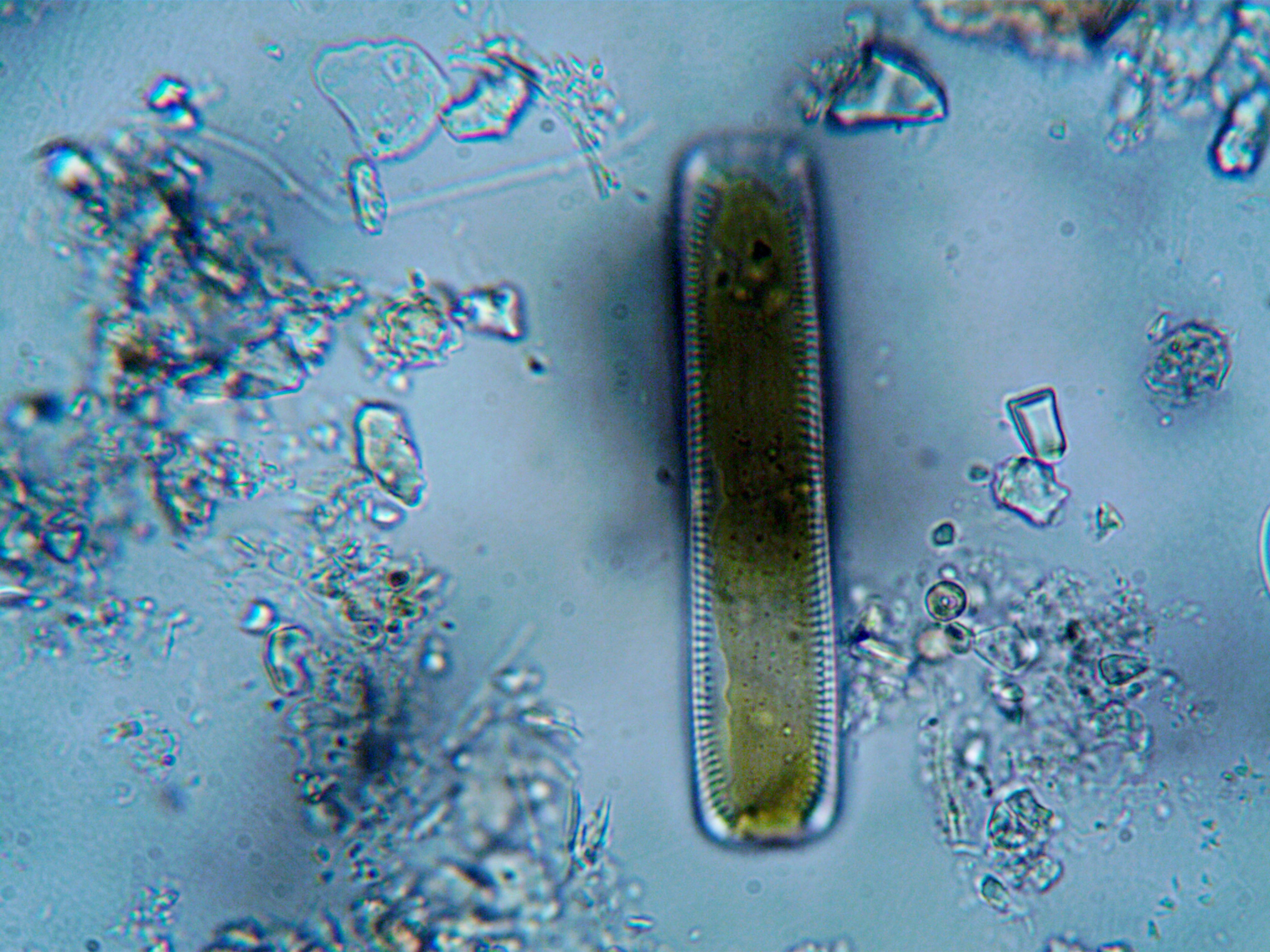
Have you heard? Scientists have uncovered the remarkable mechanism behind one of nature’s fastest cellular movements. A tiny single-celled organism called Spirostomum ambiguum can contract to roughly one-quarter of its body length in less than 5 milliseconds.
What makes this especially fascinating is how it happens. Researchers found that calcium triggers a network of proteins arranged somewhat like a fishnet inside the organism. When activated, that network rapidly changes shape, allowing the entire cell to contract almost instantly.
The discovery could have uses far beyond understanding this tiny organism. Scientists say the mechanism may offer new design ideas for extremely fast artificial muscles and other microscopic machines inspired by living cells.
For something too small to see with the naked eye, Spirostomum ambiguum may have a surprisingly big lesson to teach scientists about how to make machines move faster.