The 2026 Winter Olympics are over. The XXV Olympic Winter Games ran from February 6 to February 22, 2026 across northern Italy, with Milan and Cortina d’Ampezzo as the headline hosts. Norway topped the medal table, the United States finished second, and Team USA’s men beat Canada in overtime to win hockey gold. Below you will find the sports list, the venues, the final standings and the details people keep searching for, such as the new sport, the closing ceremony and the ticketing quirks.
TL;DR
- The Games took place February 6-22, 2026, and 117 days of buildup turned into 116 medal events across 16 sport disciplines.
- Norway won the most medals. The US finished second with 12 golds and 33 medals, per the official medal table.
- Ski mountaineering made its Olympic debut, and the Games had a record 50 women’s events.
- The US men’s hockey team took gold with a 2-1 overtime win over Canada, the first men’s gold for the US since 1980.
- The next Winter Games are the French Alps 2030 Games, which received the Olympic flag at the closing ceremony in Verona.
Table of Contents
- What happened at the 2026 Winter Olympics
- Final medal standings
- The sports list: 16 disciplines, 116 medal events
- Where the events were held
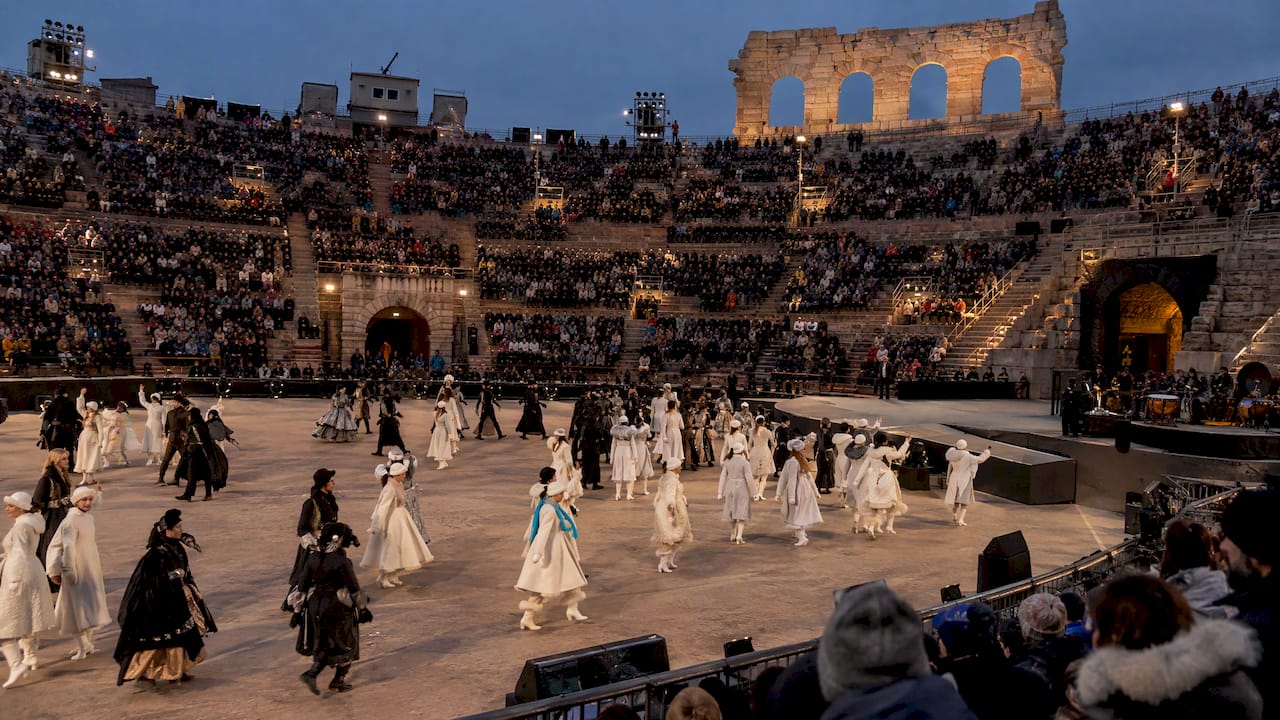
- The closing ceremony in Verona
- The US story: hockey gold and a record gold haul
- Sustainability and tech at the Games
- What comes next
- Our perspective
- Keep up with the stories behind the headlines
- FAQ
- Sources
What happened at the 2026 Winter Olympics
Milano Cortina was the first Winter Olympics officially co-hosted by two cities. It was also unusually spread out. Rather than one compact Olympic park, competition happened in clusters across the Lombardy, Veneto and Trentino-Alto Adige/Südtirol regions, so athletes and fans moved between valleys and a big city.
The numbers, according to Wikipedia’s event summary: 92 nations (counting individual neutral athletes), 2,884 athletes (1,535 men and 1,349 women) and 116 events. Selected events, including curling, began on February 4, two days before the opening ceremony. The Olympics.com schedule page confirms the 17-day main run.
If you are reading this in October 2026 and wondering whether the Games are still on, they are not. The Paralympic Winter Games followed the Olympics in March, and the next Winter Olympics is four years away.
Final medal standings
Norway finished first for the fourth Winter Games in a row. The United States took second and posted its best-ever gold total at a Winter Olympics, according to Wikipedia’s summary.
| Rank | Country | Gold | Silver | Bronze | Total |
|---|---|---|---|---|---|
| 1 | Norway | 18 | 12 | 11 | 41 |
| 2 | United States | 12 | 12 | 9 | 33 |
Those two rows come from the official Olympics.com medal table. Lower positions are worth checking on that page directly, because tied gold counts and tiebreak rules make third place through tenth easy to misreport.
Norway’s 18 golds and 41 total medals set a record for the most won at a single Winter Games, by Wikipedia’s count. For a country of its size, that is a remarkable return, and it mostly comes from the cross-country skiing and biathlon trails where Nordic nations have always dominated.
The sports list: 16 disciplines, 116 medal events
People search for the sports list more than almost any other part of this topic, so here it is. The Games had 16 sport disciplines:
- Alpine skiing
- Biathlon
- Bobsled
- Cross-country skiing
- Curling
- Figure skating
- Freestyle skiing
- Ice hockey
- Luge
- Nordic combined
- Short track speed skating
- Skeleton
- Ski jumping
- Ski mountaineering
- Snowboard
- Speed skating
A quick way to understand the groupings: the ice sports (figure skating, short track, speed skating, hockey, curling) are mostly indoors. The sliding sports (bobsled, luge, skeleton) use a refrigerated track. The snow sports (alpine, cross-country, freestyle, snowboard, ski jumping, Nordic combined, biathlon and ski mountaineering) are outdoors and depend on mountain weather.
The newcomer: ski mountaineering
Skimo, as fans call it, debuted on the Olympic programme in 2026 with three events: women’s sprint, men’s sprint and a mixed relay. Racing took place in Bormio in the Valtellina region. Athletes climb on skis with skins, switch to downhill mode and race through short, steep courses. Spain’s Oriol Cardona Coll won the first men’s sprint gold, according to Olympics.com.

A record for women’s events
Organizers said it was the most gender-balanced Winter Games ever, with a record 50 women’s events. That is out of 116 total, so the programme is not yet at parity, but the gap has narrowed from earlier editions.
Where the events were held
The geography is the part that surprises people. Here is how the main venues divided the work, based on the official spectator guides:
| Cluster | What was held there |
|---|---|
| Milan | Ice hockey at the Milano Santagiulia arena; short track and figure skating at the Milano Ice Skating Arena (the Unipol Forum in Assago) |
| Predazzo (Fiemme Valley) | Ski jumping and the jumping portion of Nordic combined at the Predazzo Ski Jumping Stadium |
| Bormio (Valtellina) | Ski mountaineering, per the Olympics.com sport page |
| Verona | Closing ceremony at the Arena |
Cortina d’Ampezzo and Livigno hosted further snow and sliding events. Check the official dates, venues and sports overview for the venue-by-venue breakdown, since the full list is long.
Why the Games were so spread out
Organizers chose reuse over new construction. Milano Cortina’s sports director Anna Riccardi attributed the delivery of the Games to 85% reliance on existing infrastructure and close work with local communities. The tradeoff is travel time. Fans who wanted to see both a hockey game in Milan and a ski event in the Dolomites needed a plan, and that is why most visitors picked one cluster.
The closing ceremony in Verona
The closing ceremony took place on February 22 at the Verona Arena under the title “Beauty in Action,” starting at 19:30 local time. That is 1:30 p.m. Eastern for viewers in the US. IOC President Kirsty Coventry declared the Games closed and handed over to representatives of the French Alps 2030 Games. A segment called “A New Dawn” used a light motif to link Italy to the next host region, per the same Olympics.com report.
The US story: hockey gold and a record gold haul
The final day delivered the moment American viewers will remember. Team USA beat Canada 2-1 in overtime in the men’s hockey final, winning the country’s first men’s ice hockey gold since 1980. It capped a Games where the US took 12 golds and 33 medals overall.
The hockey final also shows why the Games are good television. A medal race can turn on one shift, and a final-day overtime against the closest rival brings in viewers who never watch a biathlon event.
Sustainability and tech at the Games
Two details stood out in organizers’ own reporting.
- Snowmaking. Organizers used GPS-based snowmaking systems that cut electricity use by roughly 30% compared with non-optimized methods. That figure is the organizers’ own, so treat it as a claim from the host, not an independent audit.
- Ticketing. Spectators had to use a smartphone app to enter venues. The official venue guide says screenshots and printed tickets were not accepted, so a dead phone battery meant a problem at the gate.
Both are small stories with big implications. Winter sports depend on cold weather and on snow, and every host now has to explain how it will operate in a warming climate. A host that reuses 85% of its venues makes a stronger case than one that builds new ones.
What comes next
The flag has moved to France. The French Alps 2030 Games are the next Winter Olympics, and the handover at Verona was the symbolic start of that cycle. For readers who like to plan, the pattern for any Winter Games is similar: the venue list and schedule appear years ahead, tickets go on sale roughly a year before, and the final competition schedule is published only close to the Games.
Our perspective
We publish stories for readers who feel buried in information, so here is how we look at the Games. The medal table is the least interesting part. What stays with people is the specific story: a new sport finding its first champion, a hockey final decided in overtime, a ticketing app that turned a phone charger into essential gear.
The Milano Cortina Games also showed that the real news in a mega-event often sits in the logistics. Reusing 85% of existing venues is a policy choice that affects the next host, the next bid and the next budget. When you read coverage of the French Alps 2030 Games, look past the logo reveals and ask the same questions: how much is new, who pays, what happens to the venues afterward.
One more habit worth keeping: where a number comes from the organizers themselves, such as the 30% snowmaking saving, say so. It is useful, but it is a host’s claim. We try to link the source so you can judge for yourself.
— Isaac
Keep up with the stories behind the headlines
If you like your news with context and a link to the original, Have You Heard? brings trending stories, technology, science, sports and pop culture together in one place. You can read more about how we choose stories on our About page.
FAQ
Have the 2026 Winter Olympics concluded?
Yes. The Games ended on February 22, 2026, after starting February 6. The closing ceremony in Verona handed the Olympic flag to the French Alps 2030 Games.
What are the Winter Olympic sports?
The 2026 programme had 16 disciplines: alpine skiing, biathlon, bobsled, cross-country skiing, curling, figure skating, freestyle skiing, ice hockey, luge, Nordic combined, short track, skeleton, ski jumping, ski mountaineering, snowboard and speed skating. Ski mountaineering was new, per Olympics.com. Together they produced 116 medal events.
What time was the Olympic closing ceremony?
It began at 19:30 local time in Verona on February 22, 2026. That is 1:30 p.m. Eastern and 10:30 a.m. Pacific, since Italy was six or nine hours ahead of the US zones on that date.
Which country won the most medals?
Norway, with 18 gold and 41 total medals. The United States was second with 12 gold and 33 medals, according to the official medal table.
Why was it called Milano Cortina?
The name combines the two host cities, Milan and Cortina d’Ampezzo. It was the first Winter Games co-hosted by two cities, though events were spread across several regions.
Sources
- Milano Cortina 2026 Winter Games, Olympics.com
- Milano Cortina 2026 showcases sport and venue innovation, IOC
- Beauty in Action closing ceremony report, Olympics.com
- Highlights and daily results, 22 February, Olympics.com
- Dates, venues, travel, tickets and how to watch, Olympics.com
- Ski mountaineering, Olympics.com
- Milano Santagiulia Ice Hockey Arena spectator guide
- Milano Ice Skating Arena spectator guide
- Predazzo Ski Jumping Stadium spectator guide
- 2026 Winter Olympics, Wikipedia